 JapanMyths
”Kami” is a Japanese word referring to gods, spirits, and sacred presences in Japanese belief. The unit used to count Kami is “Hashira.”
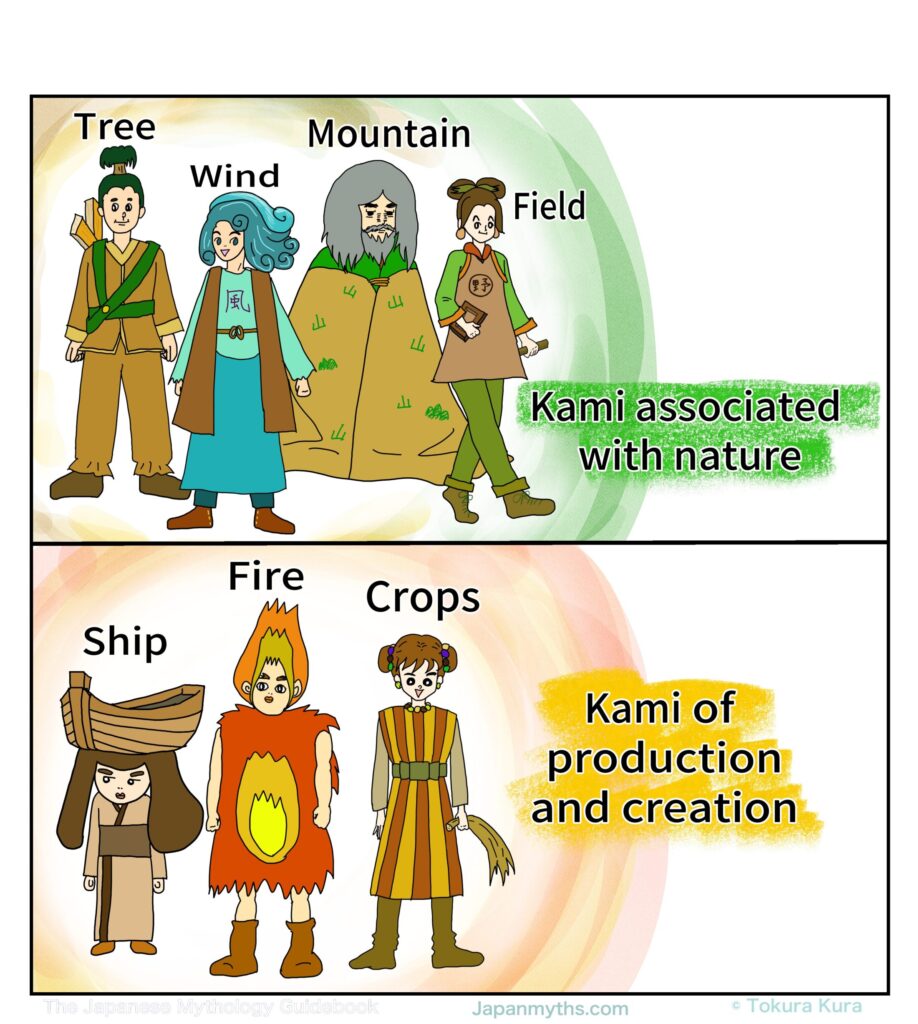
They gave birth to many Kami as husband and wife.
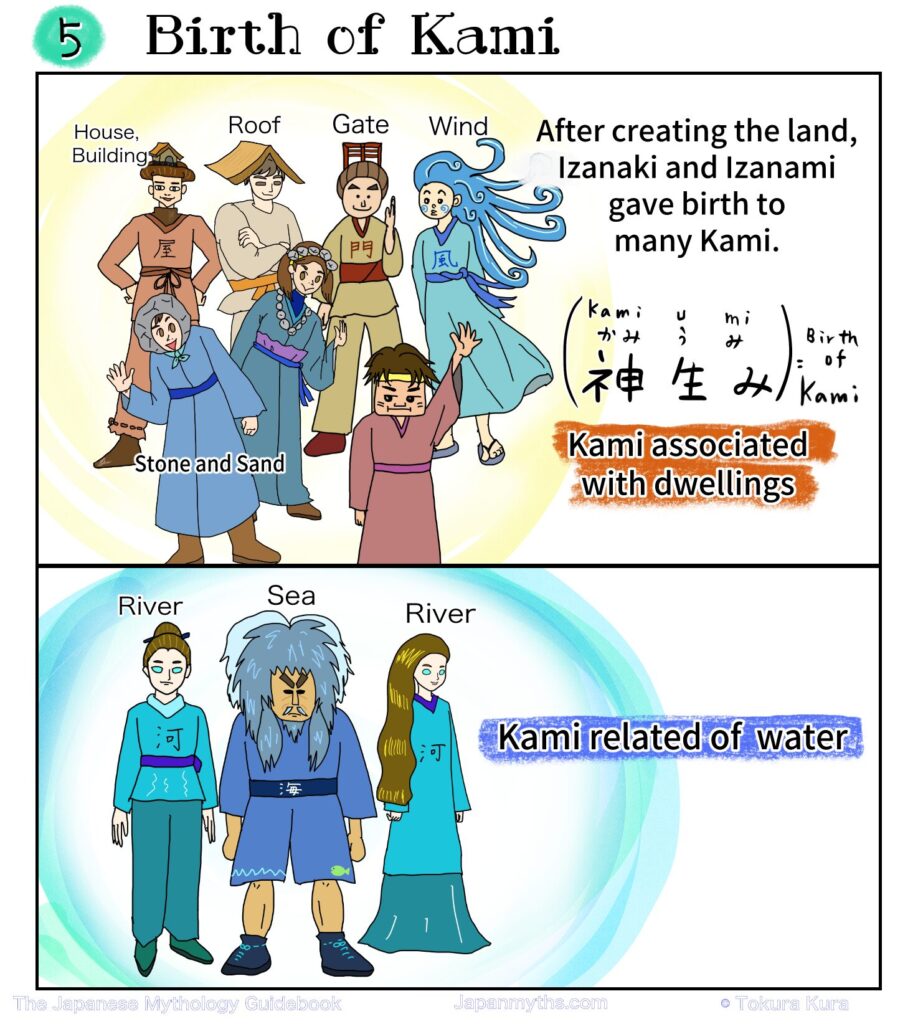
After completing the creation of the land, Izanagi and Izanami began the birth of Kami and gave birth to many divine beings.

This update was a tough one — I almost lost heart many times, but managed to push through.
It took a long time to design all Kami characters.
From building the website to drawing manga digitally and sharing everything in English — it’s all been new to me, and I’ve been learning as I go.
Some Kami appear only in this episode and never again, but I drew each one with great care.
(It took time because I researched every Kami — their background, meanings, and connections to shrines.)
I’m not an expert, but I started this project hoping that people around the world could learn about Japanese mythology in an easy and enjoyable way.
I work on it alone every day — and honestly, the solitude can be overwhelming — but I’ll keep going, taking breaks when I need to.
That said, I’m enjoying it!
Kami on this site were character-designed and illustrated by Tokura Kura. Since the Kojiki contains no descriptions or illustrations of Kami’s physical appearances, they are depicted based on imagination.
This project does not aim to promote or criticize any specific religion.
It is not intended to serve as an academic, historical, or educational reference.
This site treats mythology as one cultural element among many.
It has no affiliation with any country, government, shrine, or official organization.
The content is part of a personal project by the creator, Tokura, based on knowledge personally accumulated over many years and closely aligned with texts such as the Kojiki, and expressed through an original approach and presentation.
The project places particular emphasis on carefully explaining concepts that may be difficult to understand, especially for readers unfamiliar with Japanese culture.