日本語はこちら(For Japanese Readers Here)
This is the English-language homepage.
Your First Stop
forJapanese Mythology
for Non-Japanese Readers
Aspiring to Become One.
Q: Anime’s Roots Are in Japanese Mythology?!
NARUTO (Amaterasu, Tsukuyomi, Susanō, Izanagi, and Izanami) Yu-Gi-Oh! (Hinokagutsuchi, Yamata Dragon) Record of Ragnarok (Susanō) Demon Slayer (“Hashira” is the traditional counter for Kami.) Pokémon (Partly inspired by Japanese mythology.)
japanmyths.com
Created by Tokura Kura
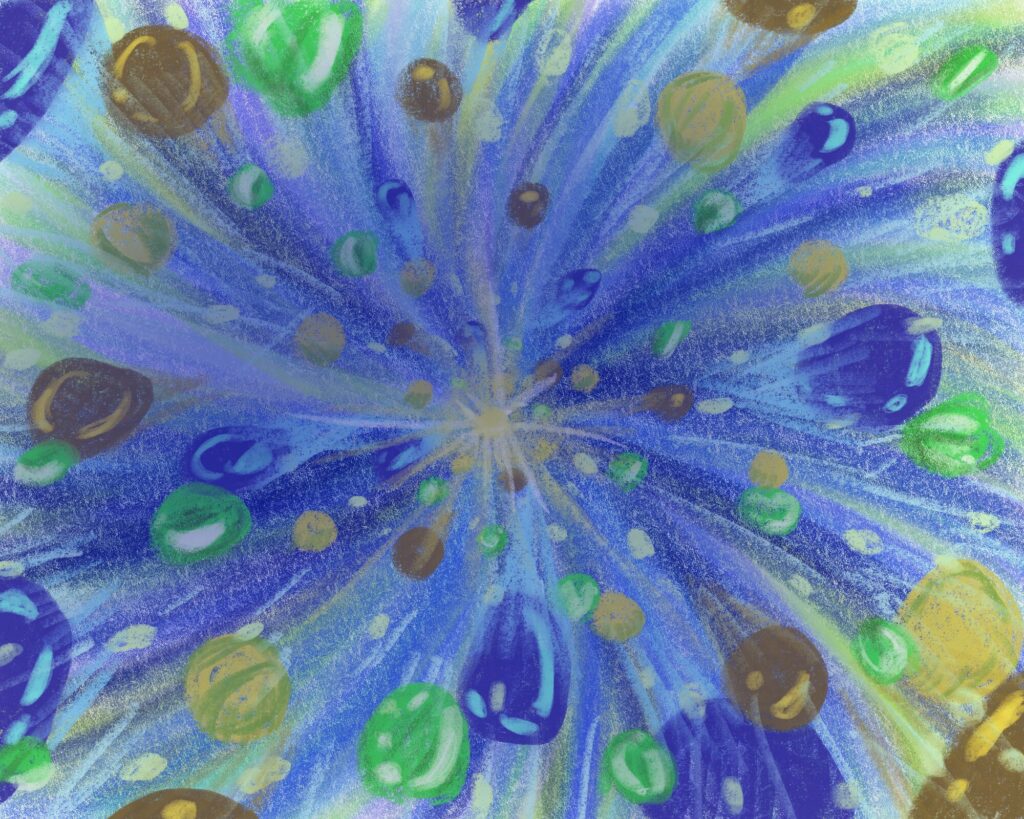
There are countless Kami in Japan.
“Kami” is a Japanese word referring to gods, spirits, and sacred presences in Japanese belief.
The Japanese Mythology Guidebook
(Planned for Completion in2028 The manga is currently being created.)
Three Features
1
2
3
The Kami of Japan are often the inspiration behind manga, anime, and video games.
・Naruto (Susanoo, Tsukuyomi, and Amaterasu)
・Yu-Gi-Oh! (Hi-no-Kagutsuchi)
・Demon Slayer: Kimetsu no Yaiba (Hashira—a word that is also used as a counter for Kami)
・Pokémon (No Kami names appear directly, but several episodes resemble Japanese mythology and are said to have helped inspire parts of its worldbuilding.)
・Yu-Gi-Oh! (Hi-no-Kagutsuchi)
・Demon Slayer: Kimetsu no Yaiba (Hashira—a word that is also used as a counter for Kami)
・Pokémon (No Kami names appear directly, but several episodes resemble Japanese mythology and are said to have helped inspire parts of its worldbuilding.)
- Interested in Japanese mythology, but not sure where to start?
- What kinds of stories does it include?
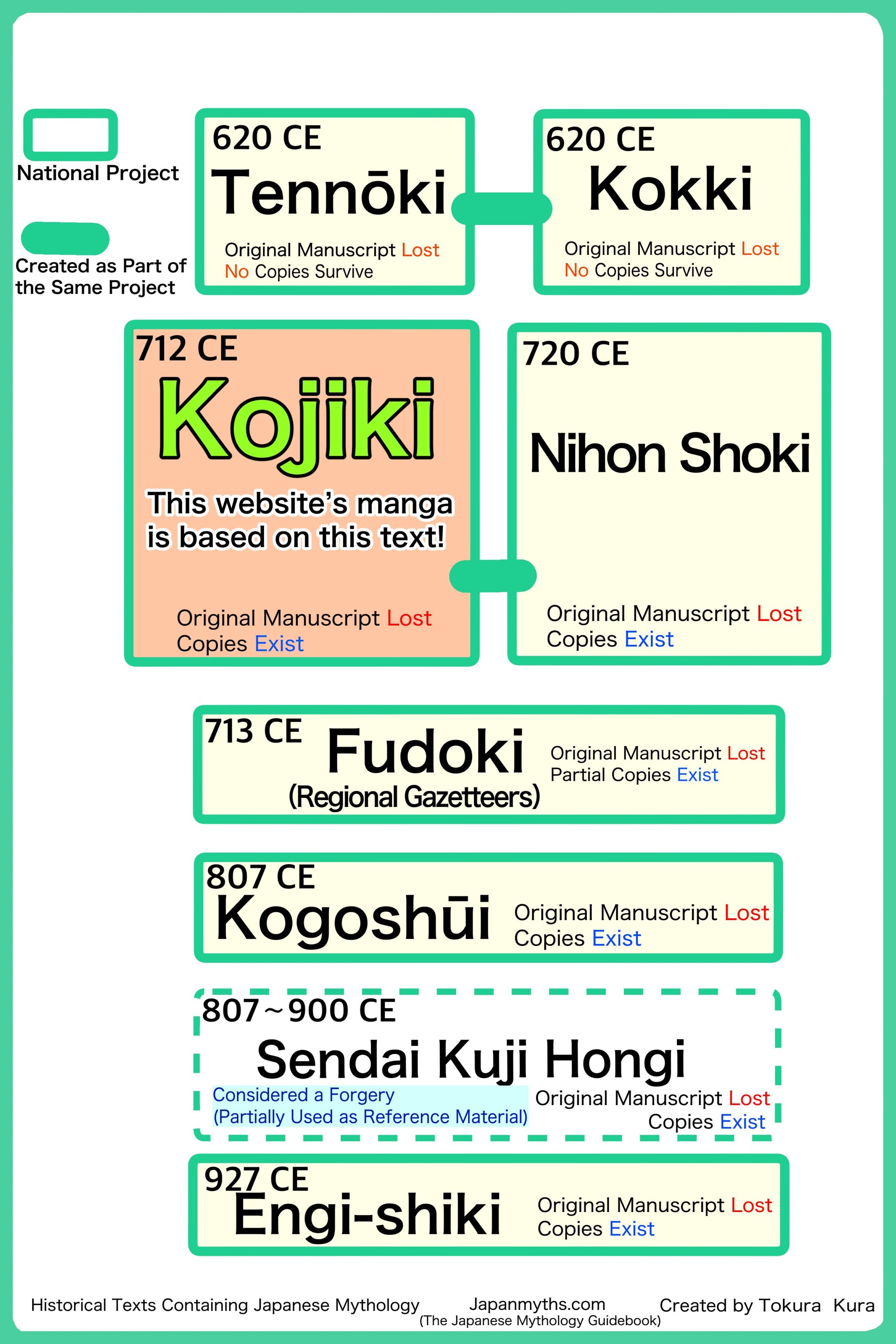
- When was it written, and by whom?
- Want to learn about it in a structured way?
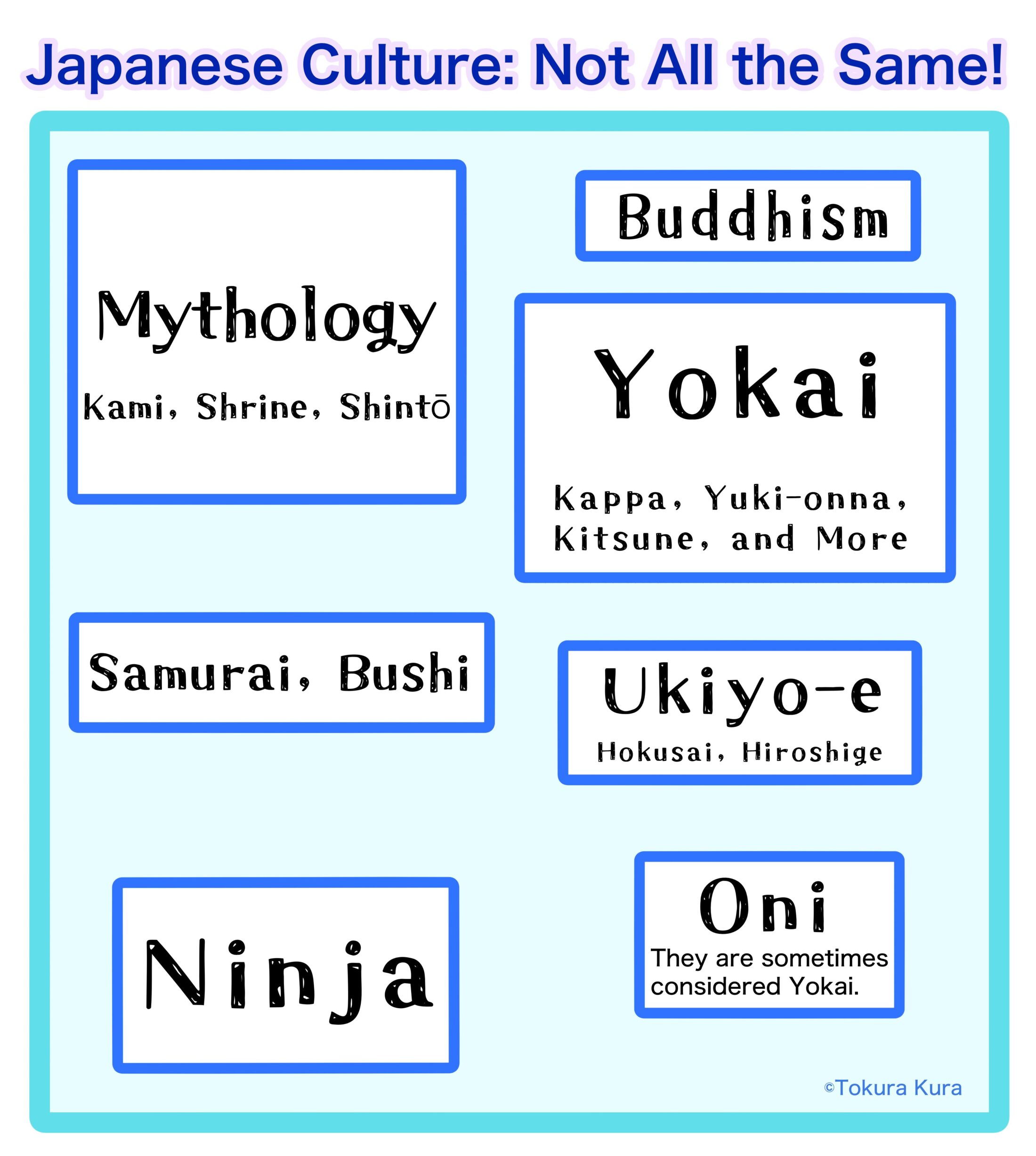
- How is it different from Buddhism?
- Thought yokai were part of Japanese mythology?

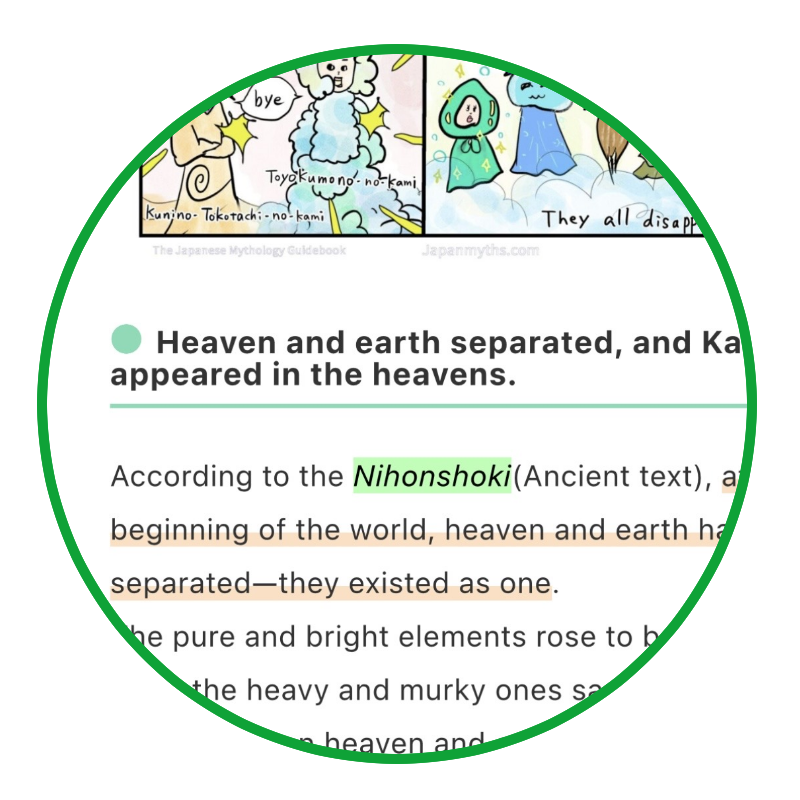
Explore the Big Picture of Japanese Mythology
Worldview
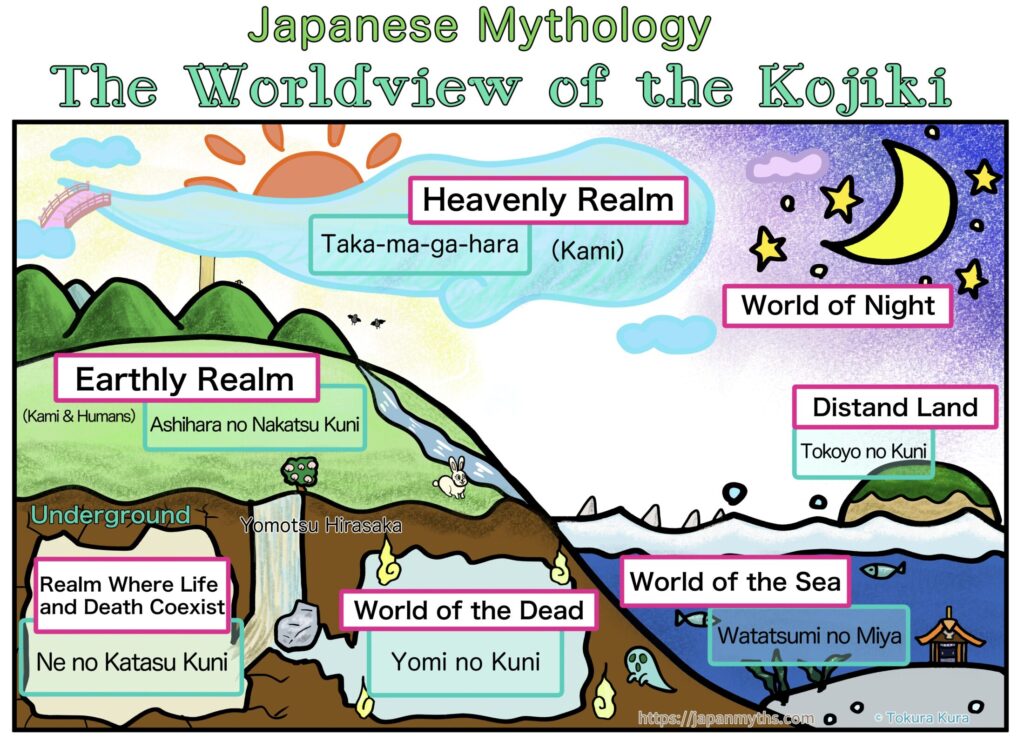
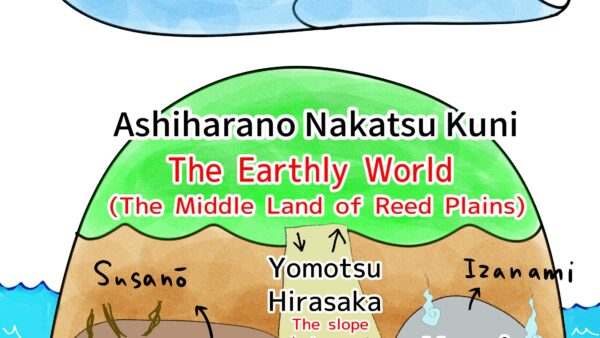
The Main Realms
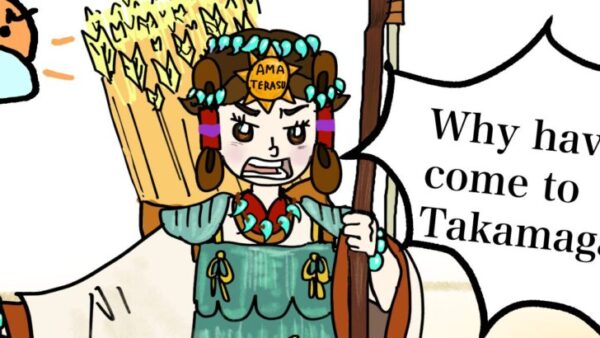
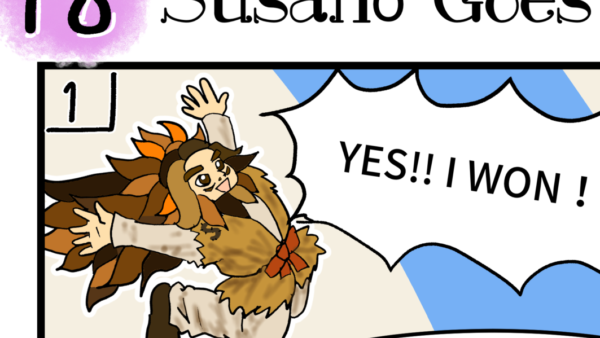
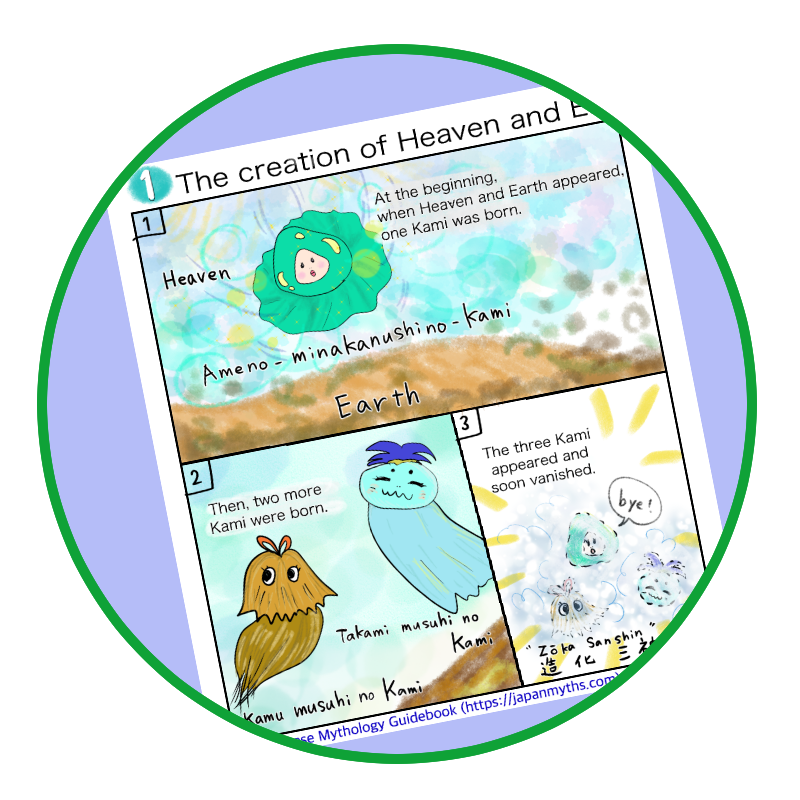
Read Episode 1 of the Kojiki Manga
Click the image.
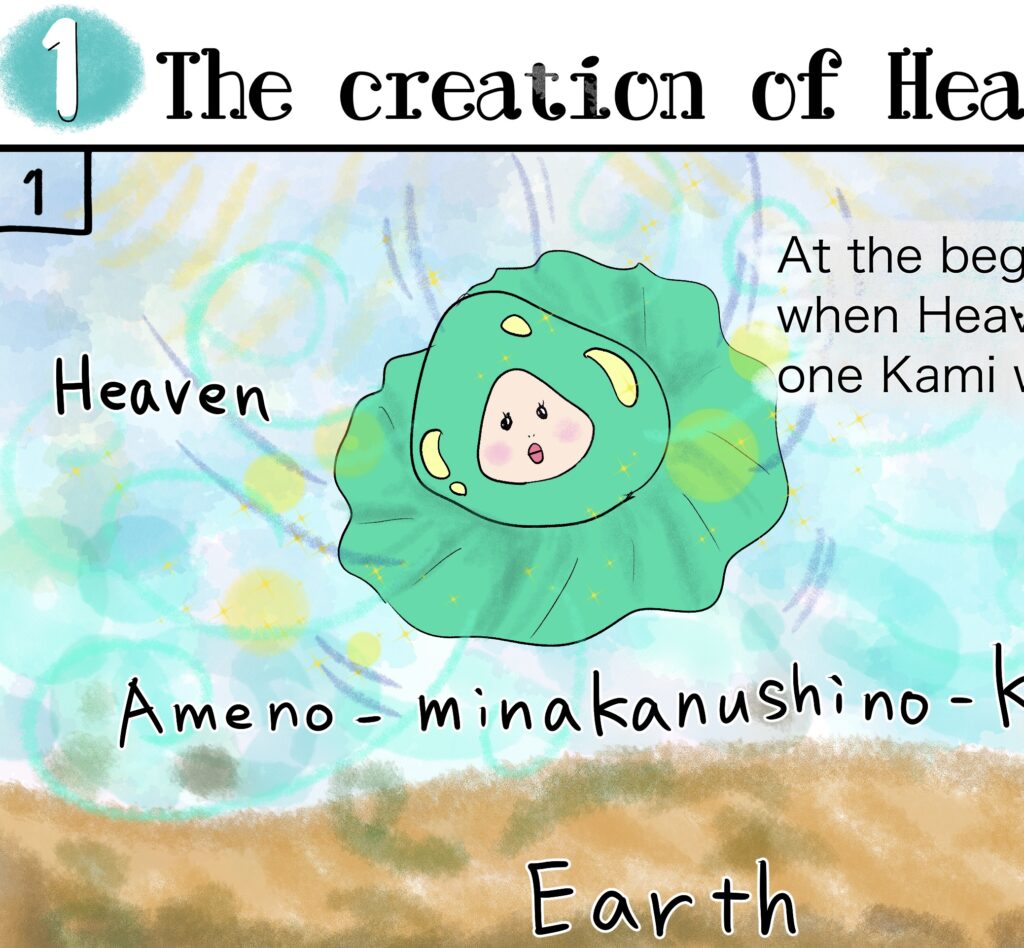
Approximately 60 episodes in total (scheduled for completion in 2028).
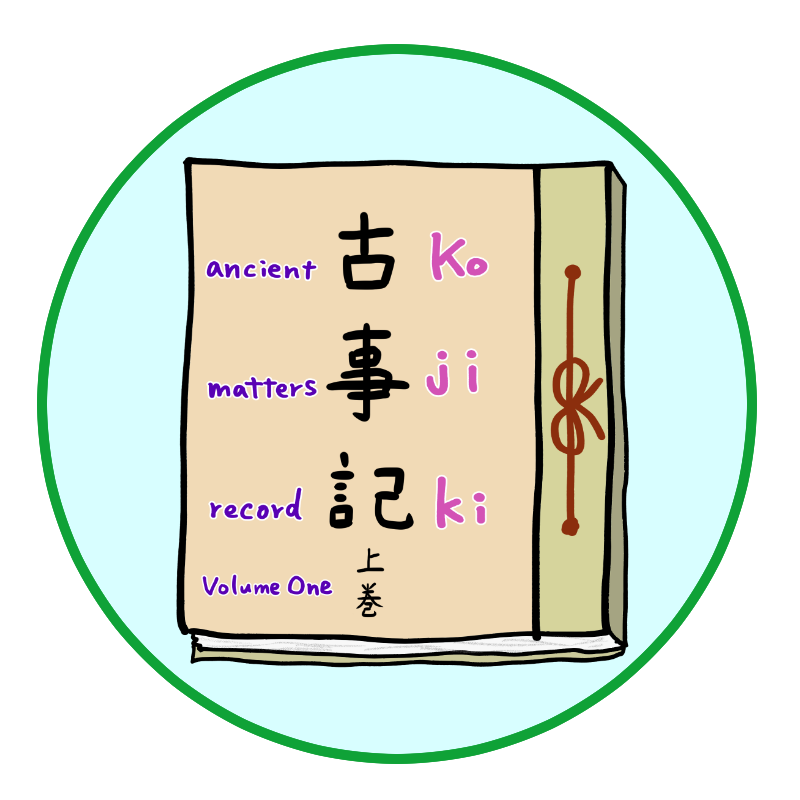
Historical Texts Containing Japanese Mythology
Read the Manga
(Click the Image)
Frequently Asked Questions
Q: Are Buddhism and Shinto Different?
A: Yes. They are different.
Q: What Is the Kojiki?
A: It is the oldest surviving historical record in Japan.
Q: I’d Like to Get an Overview of Japanese Mythology First.
A: ↓↓



This website may stop offering its content for free or be shut down without prior notice.